

Despite being more of a cult hit than a flagship title, Square Enix has been getting behind the SaGa series in a big way for the better part of the last decade: new games, re-releases of retro classics, and full-fledged remakes abound. Among those was Romancing SaGa: Minstrel Song Remastered, a 2022 remaster of a 2005 PlayStation 2 remake of a 1992 Super Famicom game … keeping up? Well that remastered remake is back once again, this time in the form of Romancing SaGa: Minstrel Song Remastered International.
To get the most immediate question out of the way, what does International add that the 2022 remaster didn’t? Additional localisations in French, German, Italian, and Spanish, and a physical print run (including Deluxe and Collector’s Editions). That’s a big win for physical collectors and those who’ll benefit from the new localisations, but aside from that, International is fundamentally the same game as the remaster that came out a few years ago—so consider that before double dipping.
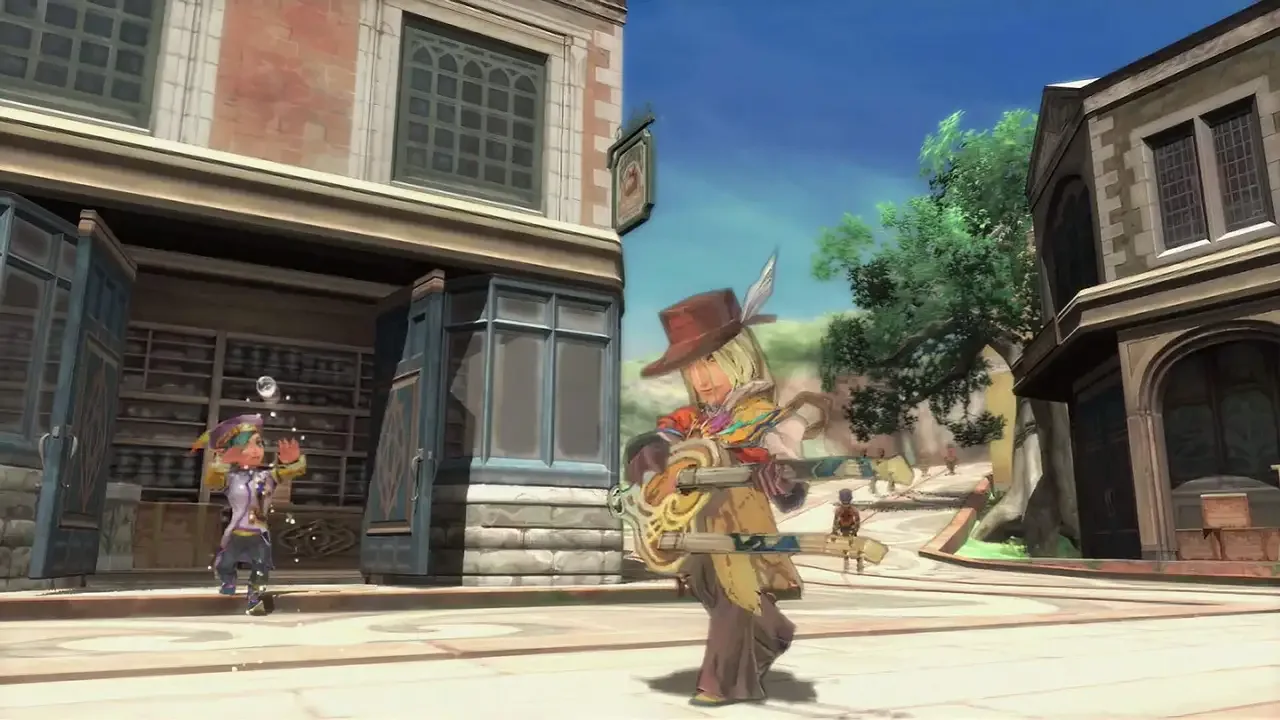
With that out of the way, let’s talk about what makes Romancing SaGa sing. The original game came out for Super Famicom in 1992, deviating from the typically linear form of its contemporary console RPGs for something very open ended. With eight main characters to choose from and a story that mostly exists for worldbuilding, it’s mostly a game about exploring the world at your own pace, going where you want to, and choosing which quests you want to undertake and when. A lot of underlying systems govern which quests are available at any given point in the game, which characters are available to recruit, and an overall sense of progression—making it a very ambitious game for its time. To this day, it’s one of the most systemically complex and fascinating games in the whole SaGa series.
Fast forward 13 years, and we get Romancing SaGa: Minstrel Song for PlayStation 2, a complete remake that reimagined the whole game in a new, 3D art style (taking a lot of cues from 2002’s Unlimited SaGa), added new characters, and reworked a lot of game mechanics. It made some of the original game’s more opaque details more transparent, created a more cohesive way of experience all eight characters’ stories through a new game plus system, and also added plenty of new quests, super bosses, and the like. It was also the first time Romancing SaGa released outside Japan, since the original never got localised.
It’s this remake that is the basis for Romancing SaGa: Minstrel Song Remastered (and, by extension, the International release of the same). The remaster is the same game overall, but with upscaled graphics, a few more extra characters, quests, bosses, and an assortment of quality-of-life improvements and config options that make the game’s complexities a little more transparent.
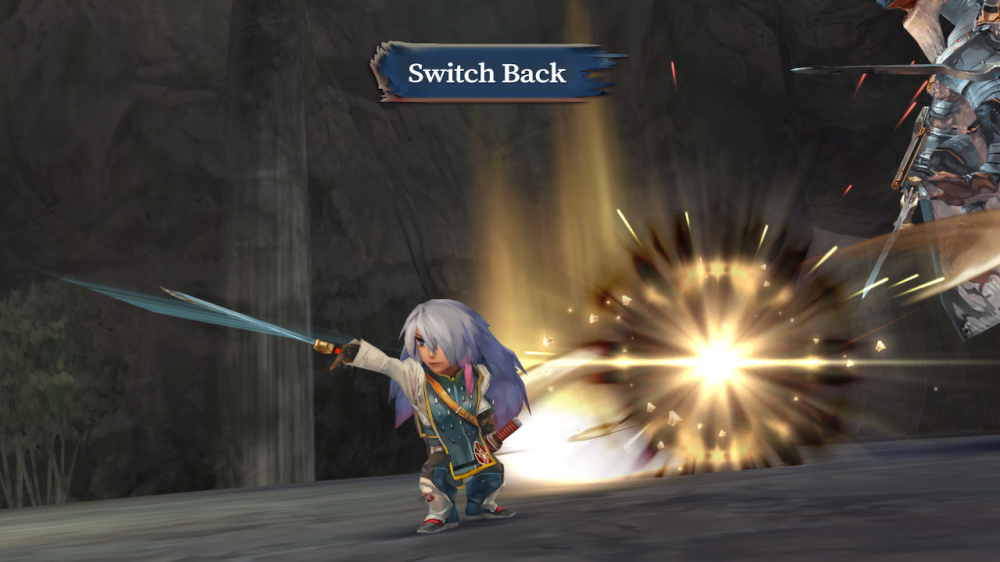
What all of this should tell you is that, when you jump into Minstrel Song, you’re not jumping into a conventional JRPG. Even if you’re familiar with other SaGa games, be ready for this one to drop you into a big world with little guidance and let you simply get lost. It can be daunting, but it’s also where the game shines brightest: go out, do whatever you want, get lost, complete what quests you can but forget about any sort of completionist aspirations (to start with, at least)—just explore and discover.
In practice this means playing through your chosen main character’s introduction until you unlock a world map (not an “open world”, it’s worth noting, but a visual map with selectable destinations), picking any of the options available to you, and talking to everyone there until the information seeds spark a quest or you find a new party member or two. Then, once you’ve got a thread to follow, you follow it, unlocking new destinations, quests, and possible party members in the process. So it goes, as you gradually discover more of the world.
In the meantime, the game’s Event Rank system creates a sense of the flow of time within the world. Each battle you win increases a counter that, at certain thresholds, alters the state of the world. Some quests aren’t available until a higher Event Rank, while others can only be completed before a certain point. Enemies will also gradually get stronger as Event Rank increases, which makes Romancing SaGa the rare kind of RPG where grinding is an actively bad idea: fighting too many battles without making quest progress can cause enemy power levels to outstrip your own. It’s a system that’s good at hiding its consequences, but that’s part of its appeal: this is a game where you’re not supposed to be able to complete every quest in a single playthrough; where figuring out nuances of systems through repeat playthroughs is part of the fun.
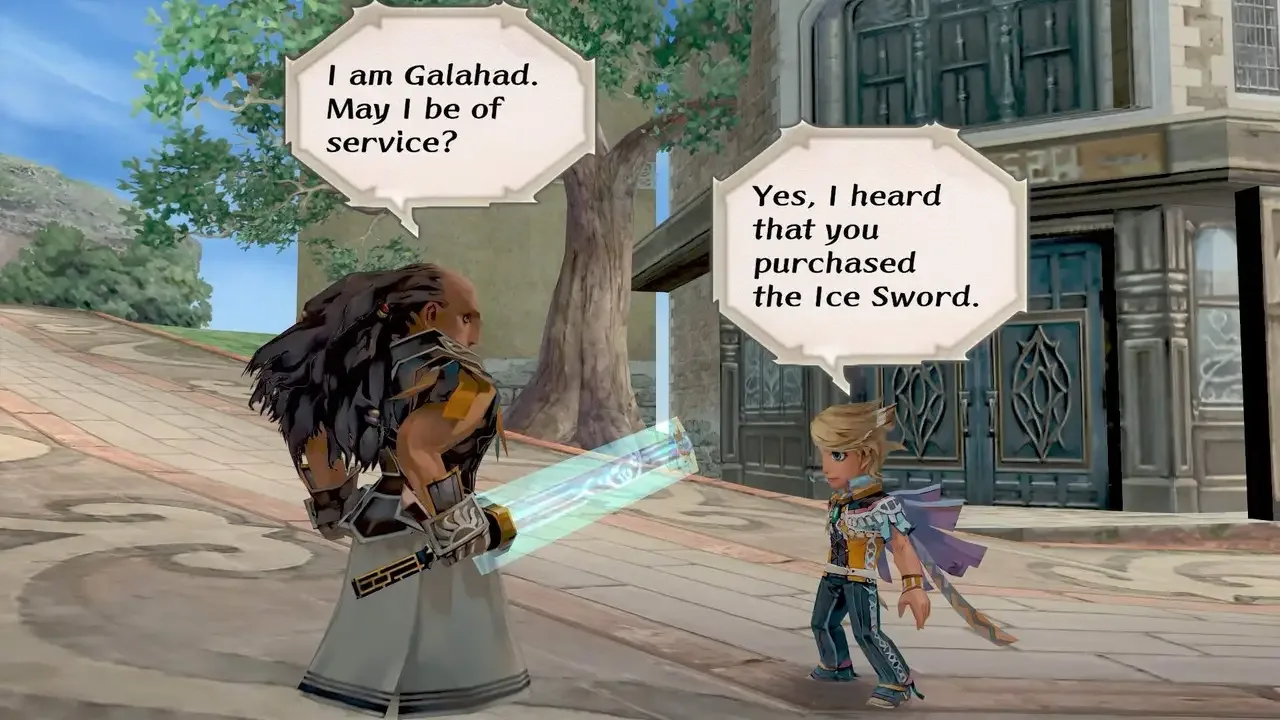
That said, Minstrel Song Remastered adds a few things that make the Event Rank system more manageable for newcomers. Chief among these is a new visual display of your current event rank, making it easier to keep track of where you’re at and see how your play style affects its progress. There are also different rank speeds available when starting a new game—Slow and Normal initially, with others unlocked by meeting certain conditions.
Character growth and combat follows the typical SaGa setup: levels don’t exist, stats increase individually based on your actions in battle, and new battle skills are learnt by semi-random trigger when using other attacks. Again, it’s a system that has a lot of intricacies if you want to get into the weeds, but as a general rule of thumb, characters will gradually get stronger at the things they do most often. A class system adds an extra layer to this: each character’s assigned class adds certain combat bonuses, increases to weapon levels, and can unlock certain non-combat skills for use while exploring. Levelling up class skills and unlocking new classes, both through the use of jewels earnt from quest rewards, works alongside innate stat growth as a way of strengthening characters and your party overall, and the interplay between these various systems can be very rewarding to explore.
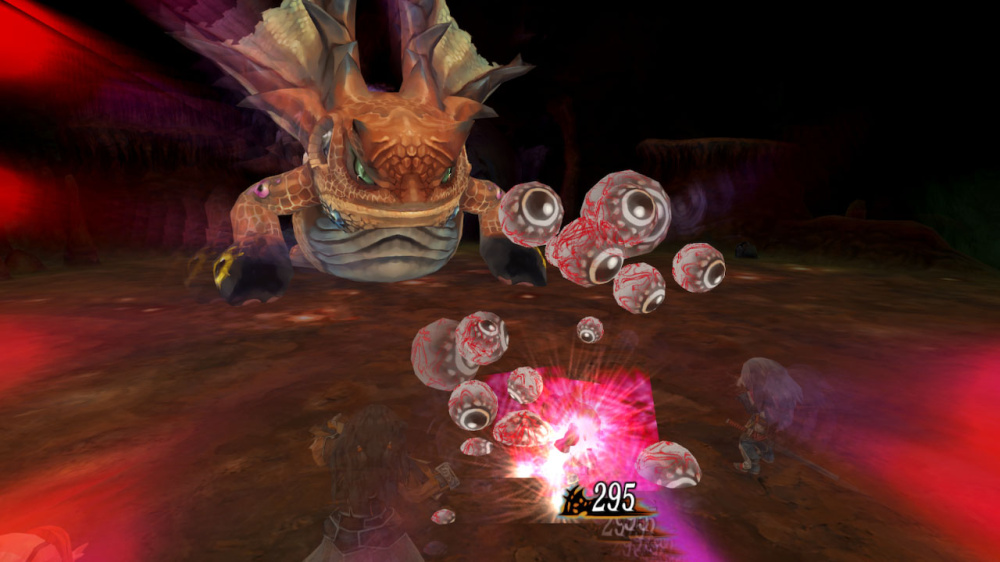
What all of this adds up to is a game that is very systems-heavy, even by SaGa standards. That can be daunting, especially if you’re not expecting it, but it’s also fascinating to delve into if you’re the kind of person who likes seeing how the pieces fit together. That was already the case with the original and the PS2 remake, but the remaster builds on that idea even further with the addition of new UI elements and settings that make these systems more transparent—crucially, without dumbing them down. The new characters and the party build possibilities are welcome additions, too.
If that sort of open-ended, systems-driven role-playing is your thing, Romancing SaGa: Minstrel Song Remastered has the goods—just note that the International version probably won’t be worth double dipping unless you really want those extra languages or a physical copy.
Romancing SaGa: Minstrel Song Remastered is an excellent remaster of an intriguing, systems-driven JRPG, though the International version adds little.
