

AI: Artificial Inundation
There are two main takeaways from using the Samsung Galaxy S26 Ultra in my day-to-day: One, like it or not, AI is taking over our phones, and how we use them, and two, the S26 Ultra’s improvements, while not necessarily physically notable, are significant from a software sense. While the latter observation is intrinsically related to the former, what the S26 Ultra brings, overall, is an improvement on its predecessor.
Design: The design is nigh on perfect, but for the love of god, please procure a case first.
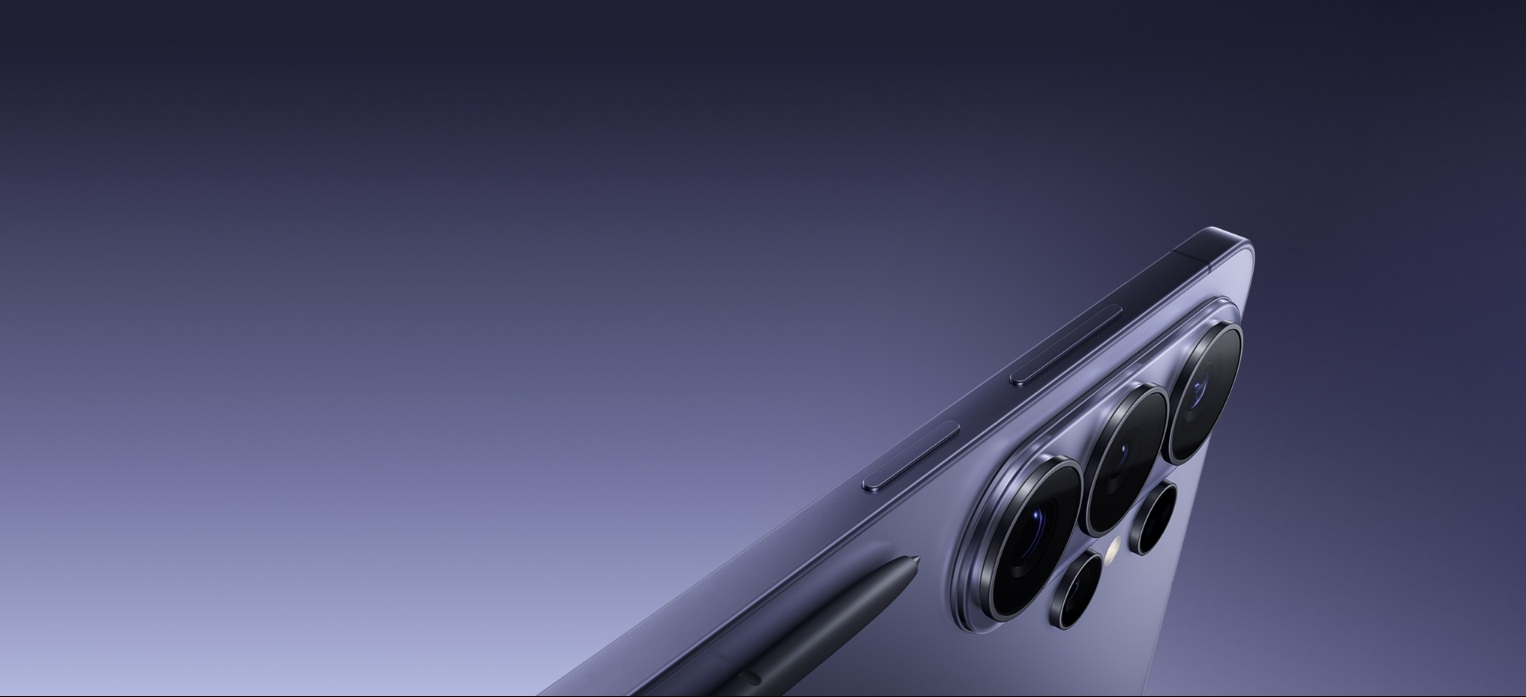
The S26 Ultra follows the same design language that Samsung have implemented in the past five years: minimalist design, camera lenses in the corner (either recessed or in its dedicated housing), and a thinner design (this is touted as the thinnest S phone yet, and thinner than any iPhone). While I do appreciate the rounded corners that were introduced last year (and continued in this year’s design), and arguably think this design language is nigh on perfect for a smartphone, and while the thinness is initially noticeable, but quickly forgotten, there is very little to note otherwise… Except for the camera housing.
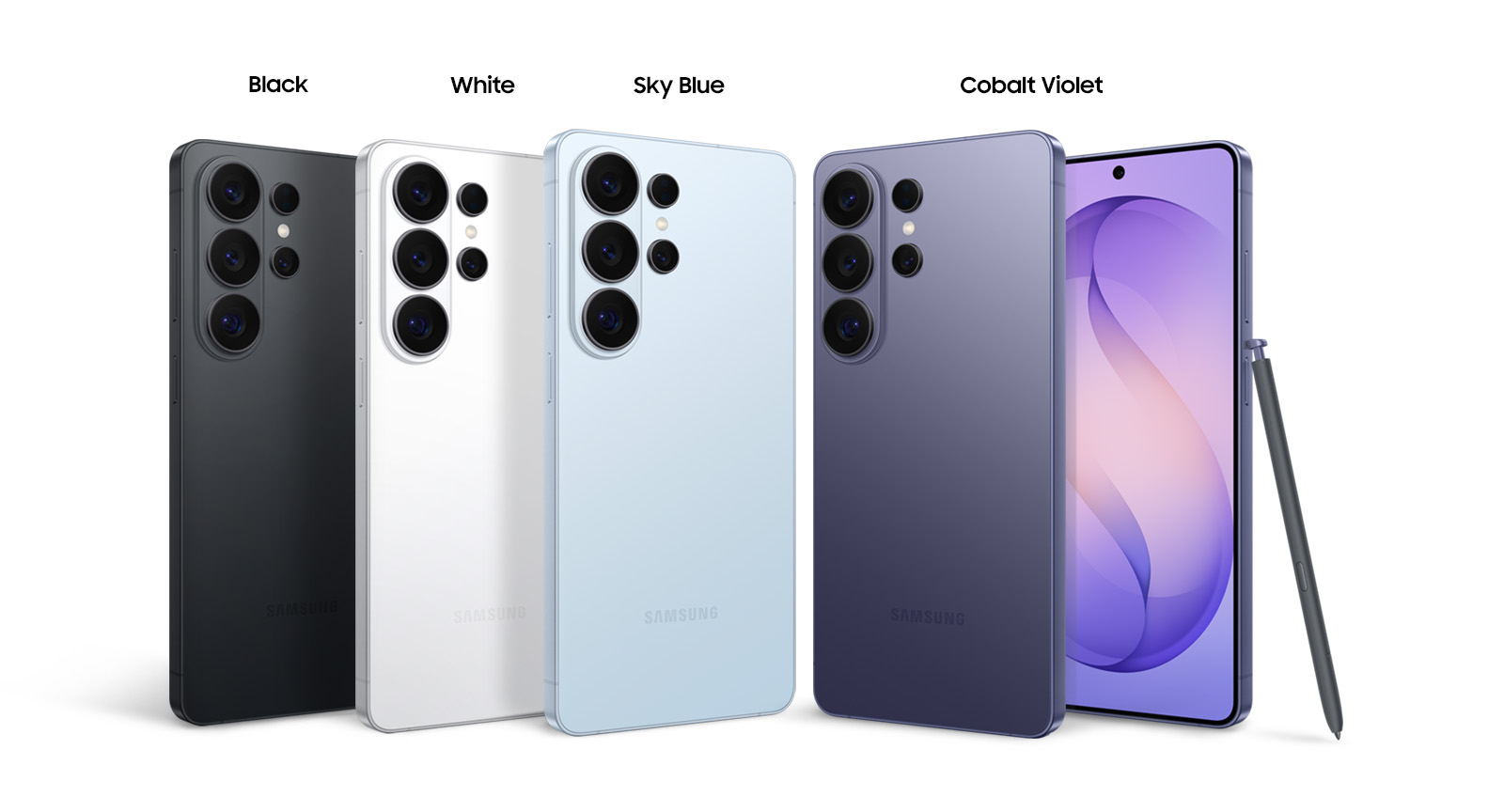
This year, Samsung have added a housing to the three lenses, meaning they protrude out of the back significantly. Putting the phone on a flat surface, the phone’s points of contact are the left edge and effectively the bottom camera lens, making the S26 Ultra a miniaturised wobble board on my desk (not to mention the potential damage that could be done to the glass on the bottom lens). The will most likely be mitigated with a case to take the pressure point away from the lenses and even out the distribution, but it would most likely be a thicker case, and I was not prepared to fork out money for a case for a phone that I will have temporarily to test out this theory. In any case, it would be a shame to hide the sophisticated cobalt blue of the phone.
Camera: Amazing technology, not ruling out witchcraft.
While the design (and protrusion) of the camera lenses and housing are vexing, at least they serve a purpose, and boy do they: For the current iteration of the flagship S range device, Samsung have significantly improved the camera lenses’ aperture, meaning that these lenses will now let 47% more light in, allowing you to take better pictures at night. Case in point:

See this photo above? I took this photo with no artificial lighting nearby (street lights or indoor/outdoor lighting). I have shown this to many people and asked what time they think I took this photo, and not a single person guessed past 5pm…
I took this at midnight, in pitch black darkness (I couldn’t see the grass or the trees, let alone the sea), and the S26 Ultra let in so much light that everyone I showed this to thought I took it during the day – the improvements Samsung made on the camera is literally night and day. I’ve taken photos of the night sky that I thought were impossible with a smartphone camera, but the S26 Ultra has proven to me otherwise.
The other notable camera feature is the Super Steady Horizon Lock video mode, which uses (you guessed it) AI to detect a reference line (the “horizon”) and locks the video in place, regardless of how the phone moves during the filming process. There are limitations to it, like throwing the phone up 3 feet in the air will not capture the video consistently, but you may have seen the Samsung ad, where the S26 Ultra was taped to the wheel of a Lamborghini and filmed a video which looked like it didn’t move at all. I wasn’t ballsy enough to try this myself (the Lambo wasn’t in the review budget), but I can confidently say that it wasn’t a marketing gimmick, as I could easily replicate this myself. The way the video stays in place while spinning the phone around, and not being able to discern what orientation the phone was in, borderlines black magic.
AI: Inundated, but not all bad… and not all great, either.
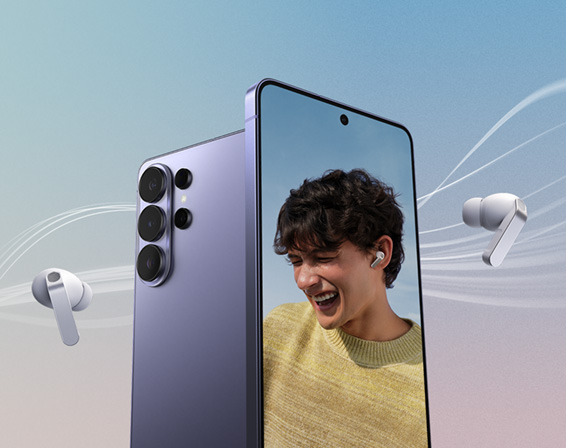
There’s a growing sense of over-abundance of AI in today’s technology, and the Samsung S26 Ultra is without exception. During the preview event, the AI features were touted center stage in the presentation, and the overwhelming thought that rang through my head was “yuck” (as did most others attending the event). However, after using the phone for a couple of weeks, the S26 Ultra does a good job at making a distinction between in-your-face AI, and background-AI that improves on quality-of-life. The case studies I’ve witnessed first-hand of the two were the AI assistant, which can effectively manage your life down to every little detail, which comes with the feeling that it is invading your privacy, but it’s not an always-on feature that you have to use, and after trialling it for a day, I had no problems disabling it, cementing the fact that I don’t want that much AI in my life. What did come in handy is the AI call screening, which speaks to the caller to ask for details and the reason they are calling, before transcribing the response into text so you can decide whether to answer the phone call or not. With the rise of scam calling, this is a handy feature that will save people time.
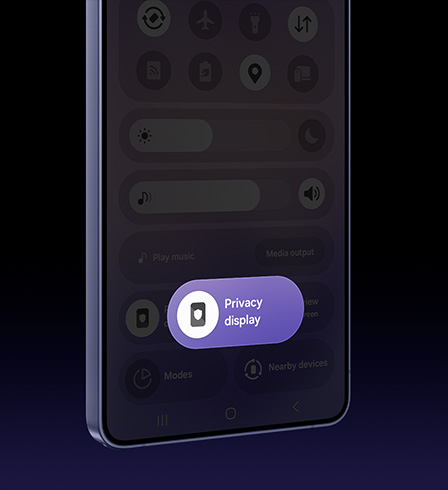
To ensure further privacy, the S26 Ultra introduces the world’s first privacy screen on mobile phones baked into the device. Instead of using privacy screen protectors, Samsung has tweaked the way the pixels illuminate from a cone-shaped projection to a column-shaped projection, so that privacy screens can be toggled, and at app-levels and notification levels. If you decide to switch from watching TikTok to your banking app, and the latter has the privacy feature turned on, the phone will flick the privacy feature on when you switch to said banking app – very handy indeed. Unfortunately rubberneckers sitting behind you can still get a full view, so it’s not a perfect solution to the privacy problem in public.
Overall, the AI features on the S26 Ultra are slightly more refined than in-your-face AI that nearly every tech company is throwing at consumers’ faces. While there are still moments, especially during the initialization and acclimation, where the tips and suggestions unashamedly push for AI, after a period of use, the AI push calms down once you tailor it to your usage habits.
(To all the tech companies: remember that there is a reason we “Old-Yeller”ed Clippy on Microsoft Word. Nuance matters.)
Samsung’s newest flagship is a great improvement on its predecessor. While the Korean conglomerate believes that AI is still a big part of progress (which the tech industry as a whole also believes), the features they added outside of AI assistance are quite beneficial, such as the improved camera lens and features, as well as the privacy screen, and better heat dissipation.But with AI’s meteoric rise in the zeitgeist over the last 18 to 24 months, any touted AI features immediately gets poo-pooed by the public (and rightfully so). This isn’t a slight on the S26 Ultra in particular, but more of a commentary on the tech industry in general – at least Samsung shows a bit more tact in how AI should be implemented in comparison. Let’s just hope they continue to show more restraint in the coming years.
