
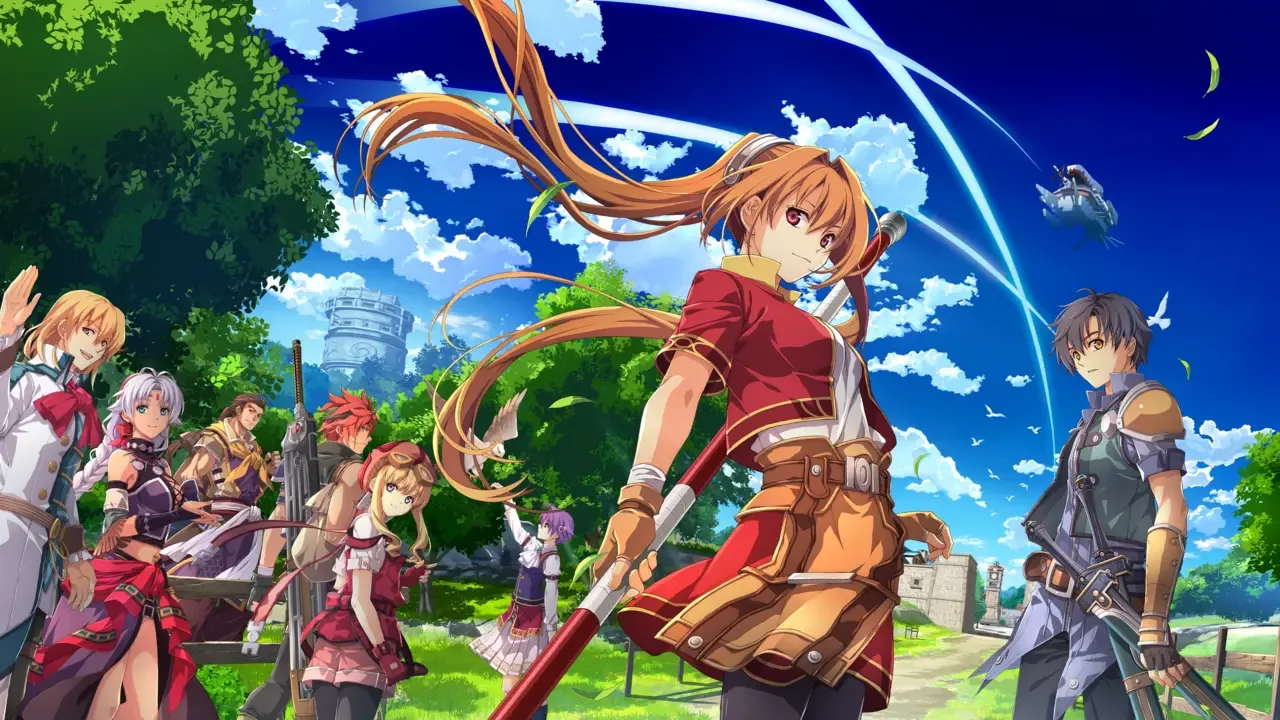
When The Legend of Heroes: Trails in the Sky first launched—in 2004 in Japan, 2011 in the West—I don’t think anyone could have predicted what it would become. It spawned a series that has seen more than a dozen further releases in the years since, each one adding to a saga of truly epic scope. We’re not just talking sequels for sequels’ sake, or standalone entries a la Final Fantasy, but a series of interwoven story arcs that come together to create one of the most comprehensive, vividly-realised fictional worlds ever seen. It might even eclipse The Lord of the Rings in terms of the sheer depths of lore, and makes that lore really mean something with compelling, character-centric storytelling. Twenty years later, the game that started it all is back, remade from the ground up in Trails of the Sky 1st Chapter.
And what a remake it is. Nihon Falcom have found a perfect balance between staying true to the source while also overhauling everything for the better—and all without erasing the value of the original game, which still holds up well today. Trails in the Sky 1st Chapter somehow manages to be both the definitive version of a classic game and an invitation to revisit the original with fresh eyes. That’s a hell of an accomplishment.
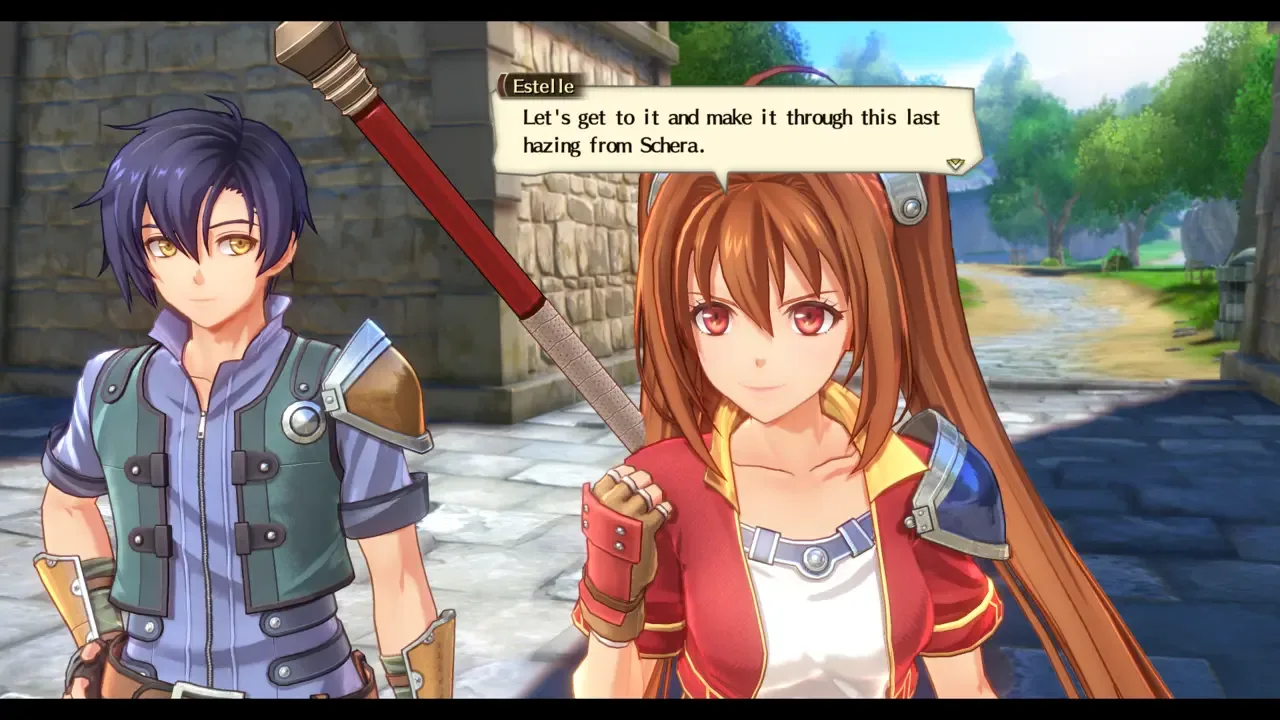
Trails in the Sky tells the story of Estelle Bright and her adoptive brother Joshua, two freshly-minted mercenaries (“Bracers”, in Trails parlance) on a pilgrimage across the country of Liberl to increase their Bracer rank by taking on various jobs and helping those in need. But what starts as a simple adventure gradually becomes something more, as Estelle and Joshua find themselves caught up in secret plots and political machinations that will determine the future of the country.
This narrative framing lends itself to what has always been one of the Trails’ series greatest strengths: worldbuilding and slow-burn character development. The nature of Estelle and Joshua’s journey means you spend a lot of time trekking across the country and getting to really know the people who live there—not just passing visits to tiny little RPG towns, but getting into the weeds of what makes each settlement tick and getting to know the locals, who are so much more than simple NPCs.
That journey also means plenty of time for Estelle and Joshua to grow, slowly and organically. They’re the emotive heard of the game, two youngsters figuring out their place in a changing world, both as individuals and as two halves of an unbreakable bond. Stellar writing and voice performances mean every character in Trails in the Sky comes vividly to life, but none more than the lively pair at the centre of the game.
This was all true of the original game, and 1st Chapter doesn’t mess with that. It’s easy to imagine a scenario where a remake goes too far in trying to retrofit lore details from later games, or embellish the writing to diminishing returns. This remake avoids both those pitfalls, and simply lets the brilliant character work of the source material shine through a new graphical style that allows for more expressive character animations, full voice acting, and the addition of dynamic dialogue while out exploring.
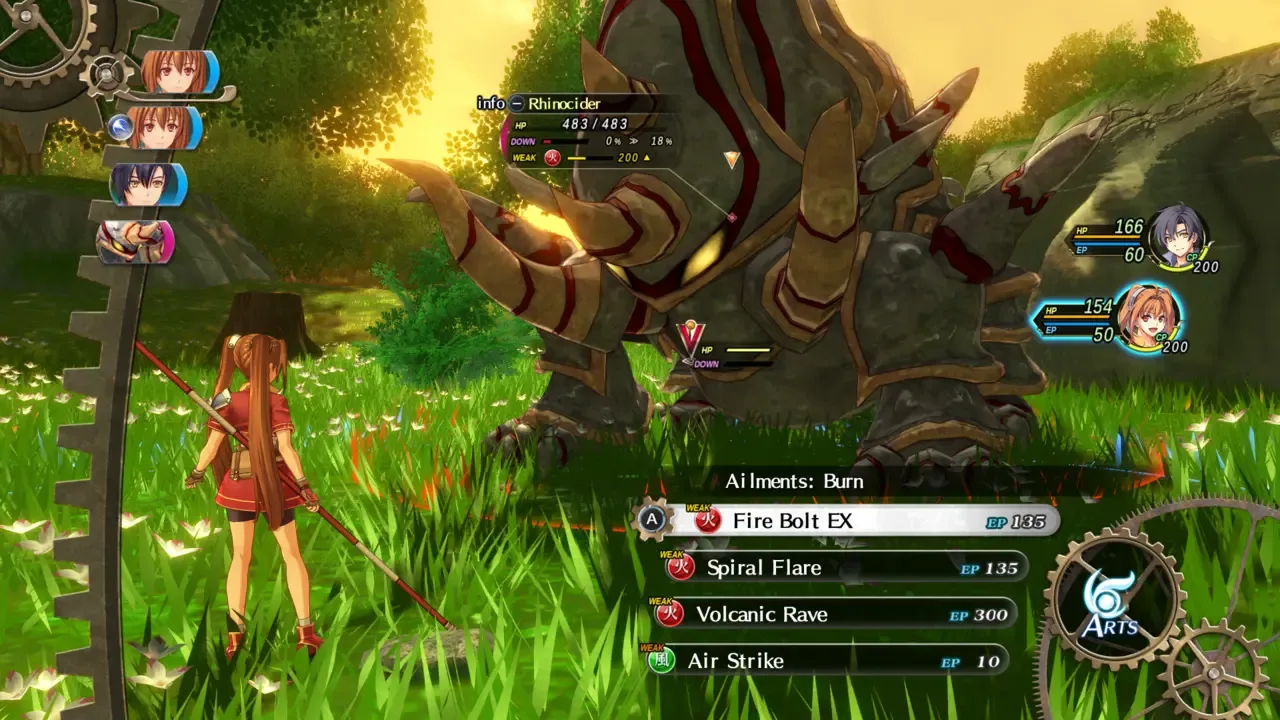
Where Trails in the Sky 1st Chapter does go all-out with its overhaul is in the game’s systems—yet still without reinventing the wheel or undermining what made the original tick. Combat takes the a similar hybrid real-time/turn-based approach as last year’s Trails Through Daybreak; aside from boss fights, you can freely switch between real-time action combat and turn-based encounters that emphasise positioning and manipulating turn order. The two styles aren’t just about personal preference, either—they feed off each other, with a strong opening in action mode being key to giving your party an advantage when you switch to turn-based.
That makes it vastly different to the grid-based combat of the original Trails in the Sky, but with a similar tactical core. The Daybreak system is really just the latest in a series of iterations on the system that Trails in the Sky started, so it’s no surprise that combat in the remake still creates the same sort of atmosphere, different though it is in the details. There’s nothing wrong with the old style, but Daybreak’s hybrid system is brilliant, and 1st Chapter elevates it even further with a new Overdrive mechanic (go Super Saiyan for a few turns, basically) and the return of combo attacks from Trails of Cold Steel.
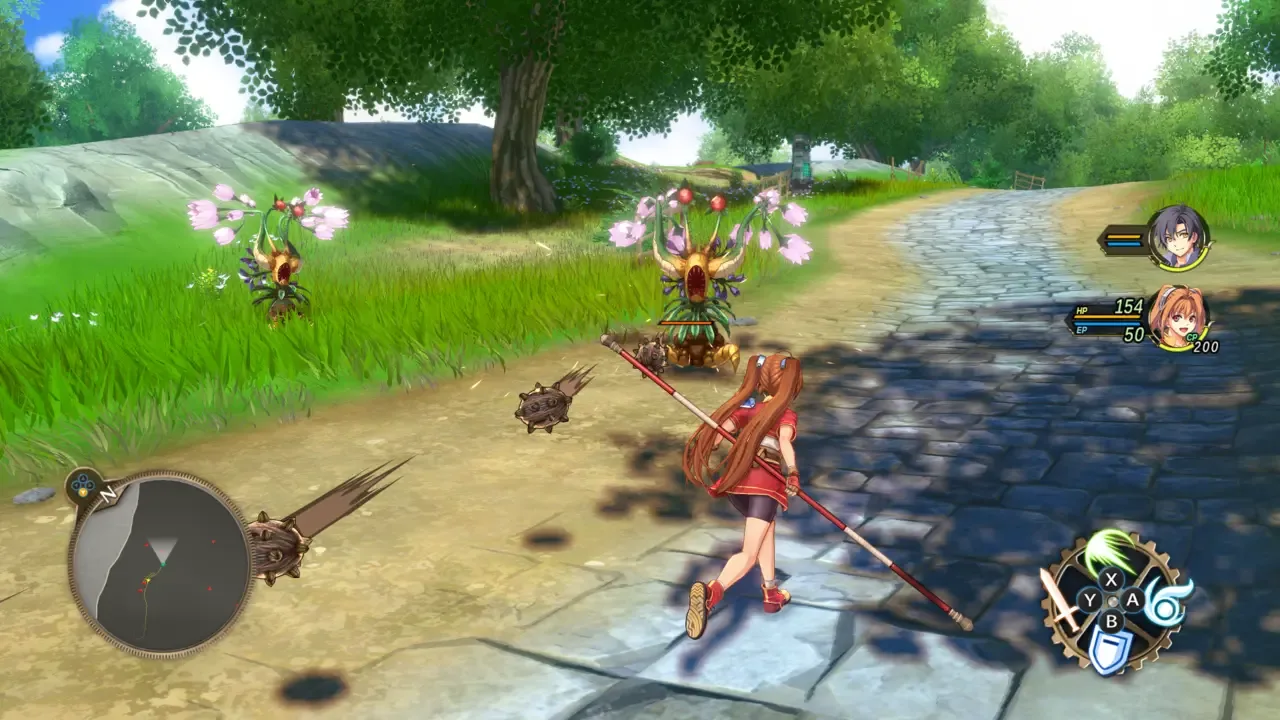
Aside from combat, 1st Chapter’s game systems more or less follow the original: weapons, equipment, and magic works the same, as does the quest structure and the role of cooking for temporary buffs. The main changes here are small but welcome quality-of-life improvements, like menus that are cleaner and easier to navigate, a tidier interface for slotting quartz, a more useful quest log, and so on. There’s also a new fast travel system, more frequent rest stations, a new mini-map, and more seamless map design—all of which goes a long way to making exploring more fluid and enjoyable.
All of these things make Trails in the Sky 1st Chapter a near perfect remake: little tweaks here and there, a major combat overhaul that still feels true to the original, and a story that is largely unchanged but elevated through new voiced dialogue and a new graphical style allows for more expressive animations and richer worldbuilding. But perhaps its biggest achievement is that this new version, “definitive” though it undoubtedly is, coexists with the original instead of replacing it. A complete overhaul that hits every mark while also making me want to revisit the original might be the best result any remake could hope for.
Reviewed on Nintendo Switch 2.
Review copy provided by the publisher.
Staying true to the original while overhauling almost everything, Trails in the Sky 1st Chapter is a near perfect remake.
