

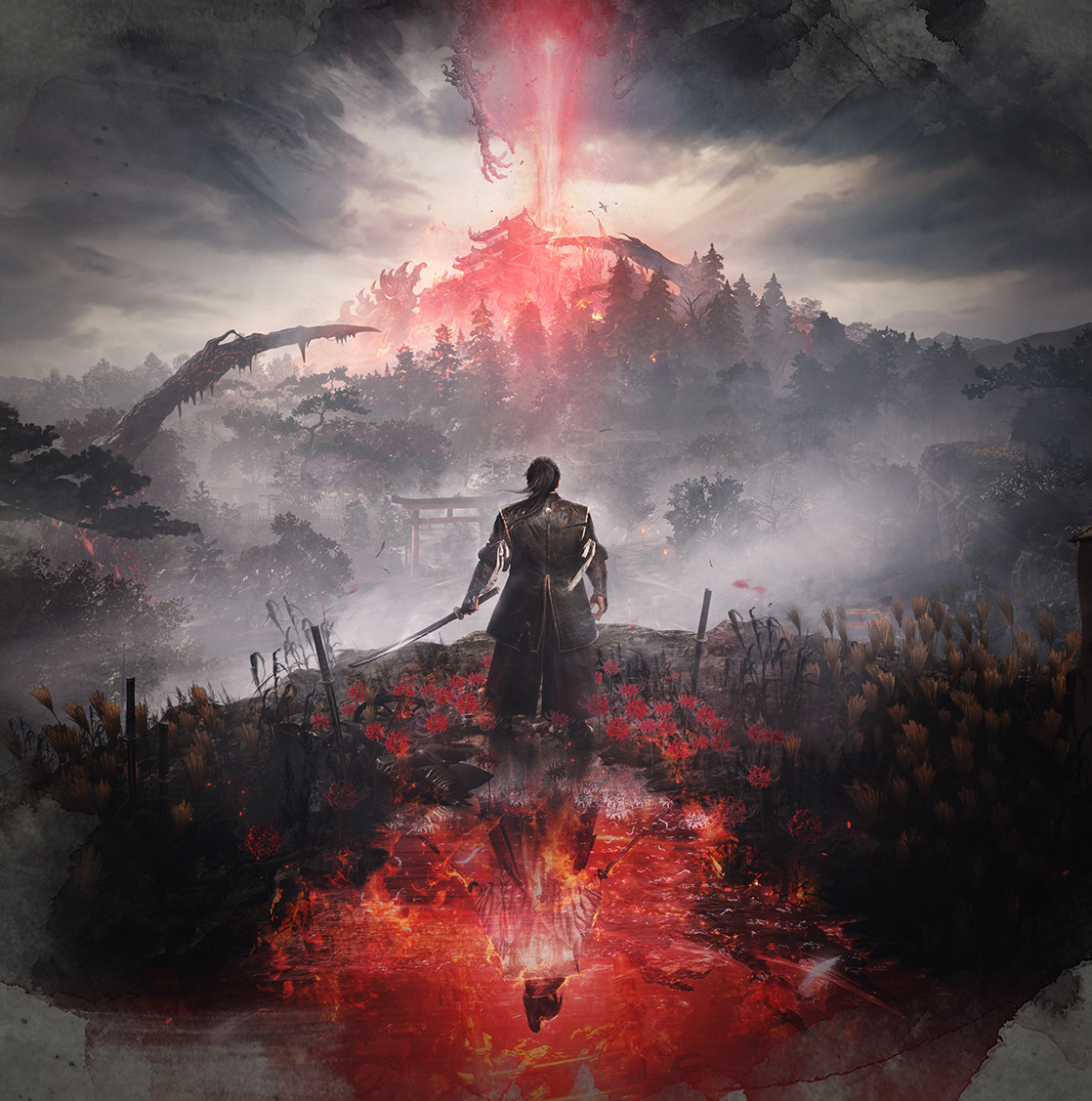
Nioh really has come a long way. The first game was ambitious enough: a clever take on the soulslike formula, laced with Team Ninja’s penchant for fast, precise combat and Koei Tecmo’s love of Japanese history, taking inspiration from an unused Kurosawa script. Nioh 2 came along a few years later to kick that whole idea up a few notches with a host of new mechanics, a more involved story, and an overall much more expansive game. Now, Nioh 3 is back to raise the stakes and push the boundaries even further—and for the most part, to excellent effect.
At its core, Nioh 3 is still the same brutal action RPG the series always has been, with combat that balances a more traditional Souls-y approach (slow and methodical) with strategic aggression, all while punishing carelessness and inattention heavily. The intricate level design and oppressive atmosphere hold fast here, too, as you’re once again thrown into a slice of Japan’s history that’s overrun with monstrous yokai. Yes, Nioh 3 adds a lot, but it does so without compromising the defining characteristics of the series.
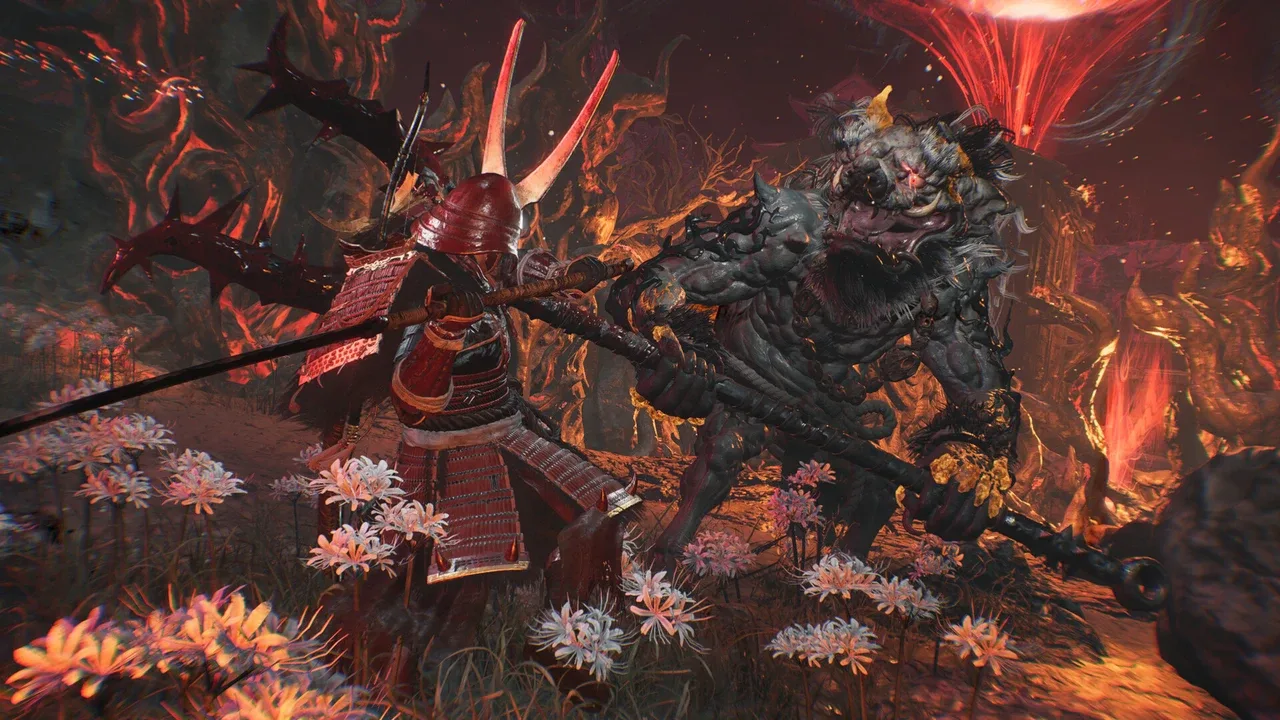
Where it most visibly stands apart from its predecessors is in an open world-ish design. I say “open world-ish” because while it does give you a series of large maps that you can navigate relatively freely, they’re not really sweeping, open-ended sandpits in the way that the likes of Assassins Creed or even Team Ninja’s own Rise of the Ronin are. Rather, they’re the winding, interconnected, labyrinthine maps that Nioh is known for, only on a bigger and more geographically cohesive scale. There are “open world-ish” touches, like pockets within the overarching maze that are a bit more open and give you more freedom in how you get from A to B, and a fair few detours and things off the beaten path to entice you to explore, but—thankfully—Team Ninja haven’t traded the level design of earlier games for big fields that are full of things to do but are navigationally lifeless.
It’s a balance that hits just the right notes of both styles of level design. The winding, intertwined corridors—and the navigation puzzles they bring with them—still make up a large part of each map, and there are plenty of dungeons dotted around that fully embrace old Nioh level design. At the same time, you get the sense of place that comes with an open world map, the context of how each location fits together, and the opportunities to approach some challenges in a more freeform way. Exploration has been one of the understated highlights of Nioh, and that’s more true than ever with the way Nioh 3 seamlessly blends two very different schools of level design.
A lack of open world clutter helps, too. Nioh 3 has its share of side quests and collectibles, represented by icons scattered across the map, but it’s far more constrained and deliberate with these than most other games. Each zone has a handful of side quests that are mechanically straightforward but very good at showing you the perspective of (usually recently deceased) locals. Activities like enemy bases and wave-based encounters might seem a little generic at first glance, but they play to the strengths of Nioh’s combat systems and they’re infrequent enough that they never feel like chores. Of course, the series’ recurring Kodama collectibles are back and fit naturally into this open world structure, alongside a few other kinds. A system of gradually revealing map markers as a result of exploration helps, too: it’s only by organically finding and completing some of these activities that you increase a zone’s Exploration Level, thereby showing markers for other things you might have missed.
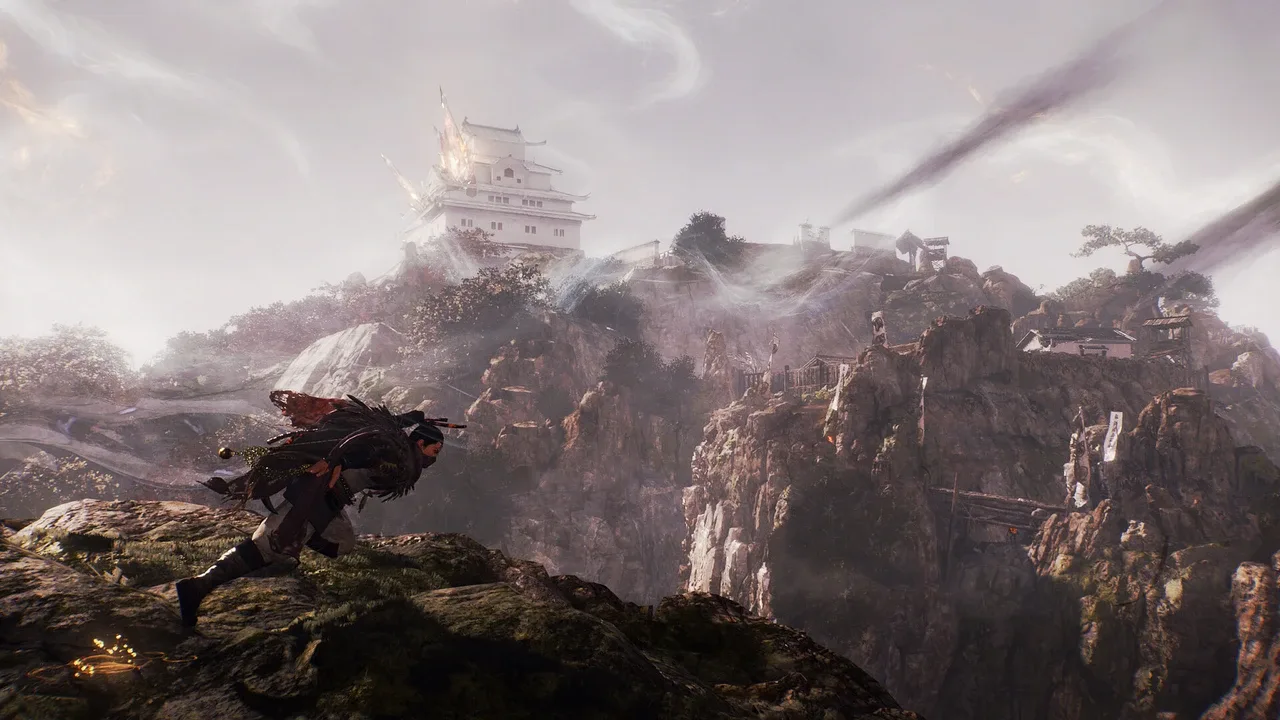
The other big part of what makes this “open world-ish” design click is that it’s not just one big, oversized map, which brings us to the second pillar of what makes Nioh 3 stand out: time travel. This time around, you play as Takechiyo, heir to the Tokugawa shogunate in the early days of the Edo period. Things happen, Edo castle gets overrun by yokai, and find yourself mysteriously transported back in time to the Sengoku era. What follows is a journey through five periods of Japan’s history, from the days of queen Himiko in Japan’s antiquity through the Heian, Sengoku, Edo, and Bakumatsu periods. While Edo and antiquity are smaller setpiece locations, the other three each get their own expansive, “open world-ish” map to explore.
This structure works well for a few reasons. For one, it stops any one location from overstaying its welcome or suffering diminishing returns for the scale of its world, both of which are problems that plague too many open world games. More significantly, it allows the level designers, artists, and everyone else involved to indulge in the unique aspects of each different slice of history—something that’s been Koei Tecmo’s forte for more than 40 years.
The differing architecture, technology, and geography give each location its own distinct feeling and unique design quirks, from the mountain villages, rice fields, and impressive Hamamatsu Castle in the Sengoku era to the murky city streets and opulent Shimabara red light district of Bakumatsu Kyoto. The story tying these disparate settings together is intriguing enough, but it’s the locations themselves, and the excitement of exploring them, that really stand out.
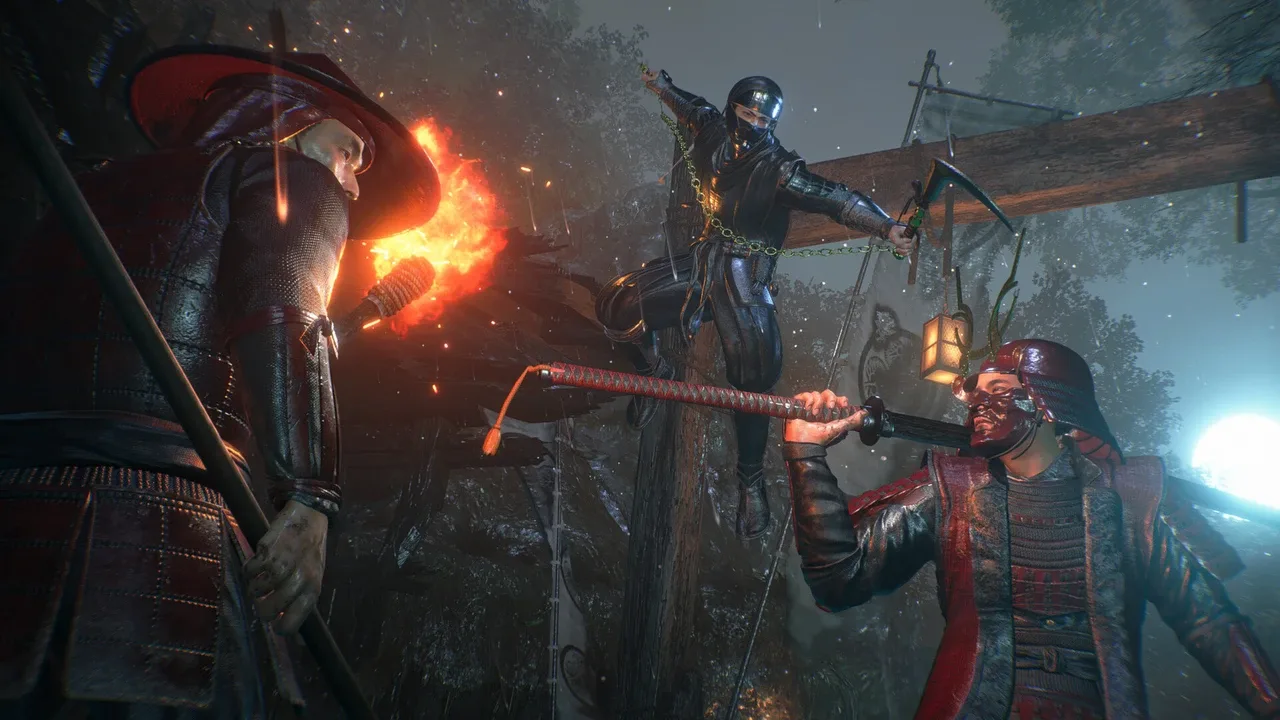
Nioh 3’s third big shakeup is “Style Shift”: the ability to switch between samurai and ninja styles—each with their own combat styles, abilities, gear, and mechanics—at the tap of a button. Yes, earlier Nioh games let you swap weapons (and by extension, fighting style) on the fly, and there were plenty of ninja weapons and ninjutsu skills you could play around with if you wanted a shinobi build. Nioh 3 goes a step further by letting run two different styles in tandem, enjoying the benefits of each as the situation demands.
Samurai style is classic Nioh: carried by the Ki Pulse, as fast or slow as your chosen weapon allows but always driven by the rhythm of your ki. You’ve still got three different stances, and all the versatility that comes with that, but it’s the Nioh you know. Ninja style cuts a little closer to Ninja Gaiden or, dare I say it, the PS2 Shinobi reboot: fast and highly mobile, built largely around an evasive move that can both dodge attacks and misdirect your foes. A wide array of ninjutsu techniques and combat mechanics designed around replenishing stock by attacking or dodging (rather than them being finite consumables) make ninja style highly adaptable.
They feel like completely different games, and I’ll admit it took me a while for ninja style to click. (I’m on odachi main, so those acrobatic antics are about as far from the slow and methodical Nioh I’m used to.) But there’s a good reason you can switch between them on a whim, and Nioh 3’s encounter design is very good at pushing you to use every tool available to you. Once you get comfortable playing in both styles and recognising which one is going to be the most beneficial in a given moment, the combat system—already one of Nioh’s greatest strengths—reaches new heights.
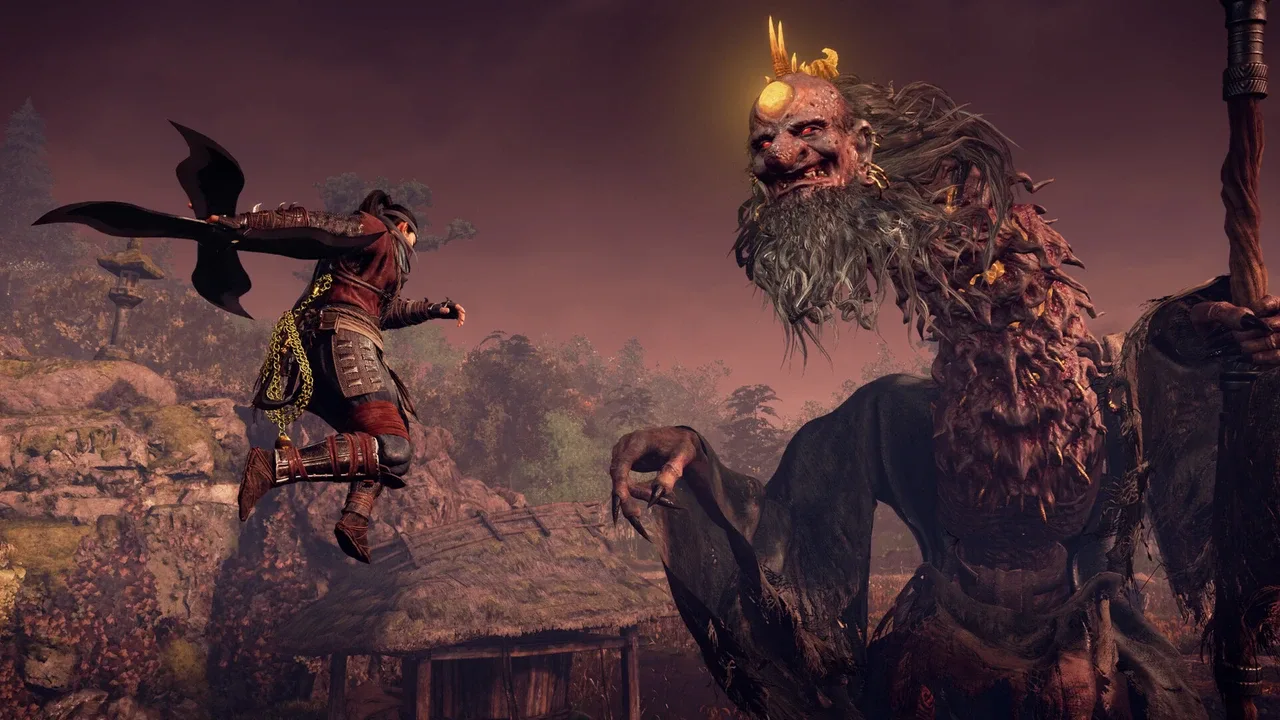
With that also comes a lot more freedom to explore different builds and strategies, in part thanks to the ability to freely reset your stats and skill points as often as you like. Being a soulslike, Nioh 3’s bosses are seemingly overwhelming and designed around learning through failure, but for any given obstacle there’ll be a dozen different answers. The style shift mechanic opens up those possibilities dramatically, and it makes boss fights feel more like puzzles to solve than brick walls you simply have to push through with brute force and practised repetition. I’ve never played a soulslike that made me feel less frustrated than Nioh 3, even in its most punishing moments, simply because of how many tools are at your disposal and how freely you can experiment with them.
And if you still find yourself getting stuck and nothing seems to work, you can always just take a break from retrying and head out into the open world to collect Kodamas or take on some side quests. All those activities will help make you stronger in some way or other, and more importantly, they’re a good way to let the tension reset. In the previous games, if you were stuck on a boss, you were stuck—there wasn’t a lot you could do other can keep trying until you beat it, maybe grind a level or two, or take a break from the game entirely. With Nioh 3’s open world, there’s always the option of just going and doing something else for a bit. It doesn’t really make the game easier—it’s still hard as nails, and excellent for it—but it makes the process of overcoming those obstacles a bit less tedious.
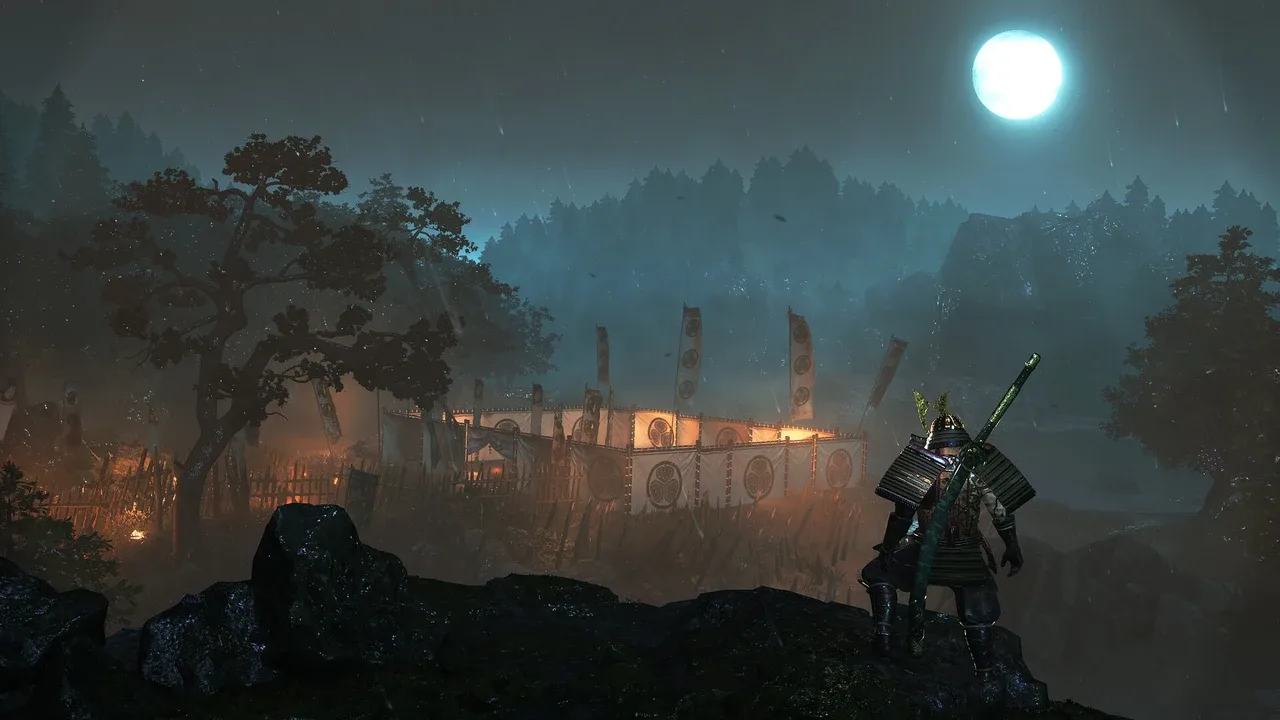
That might be Nioh 3’s biggest strength: the way all its new ideas help give players more freedom to play how they want to, without compromising the vision and challenge that define the series. It’s the same old Nioh at its core, as intense, exciting, and punishing as ever, but with a lot more freedom to play your own way and at your own pace. And more often than not, that’s the difference between a satisfying challenge and a frustrating one.
Reviewed on PlayStation 5.
Review code provided by the publisher.
As brutal and satisfying as Nioh has always been, but with a welcome new degree of freedom to explore—both the map and combat mechanics.
